Electrical Stability Solutions

STATCOM - FACTS

The current electrical system is becoming increasingly demanding and less stable. The integration of renewable energy sources and dynamic loads has intensified issues such as voltage instability, reduced inertia, power imbalance, and grid congestion, affecting the quality and reliability of the power supply.

In this context, it becomes essential to adopt advanced compensation and control technologies, such as FACTS systems, and particularly STATCOM, which enable fast and efficient grid stabilization.

New Electrical Challenges

What are the main electrical challenges facing most sectors?

Voltage Stability

The ability of the electrical system to maintain adequate voltage levels under changes or faults, preventing voltage drops or overvoltages.

Power Quality

Conditions of electrical power that ensure a stable supply free from disturbances such as harmonics, flicker, and voltage variations, guaranteeing proper equipment operation.

Grid Congestion

Limited capacity of the electrical grid to transmit energy through certain lines, causing constraints on power flow

Frequency Stability

Disminución de la capacidad del sistema para resistir cambios bruscos de frecuencia.

Technologies to solve
Voltage Stability and Power Quality

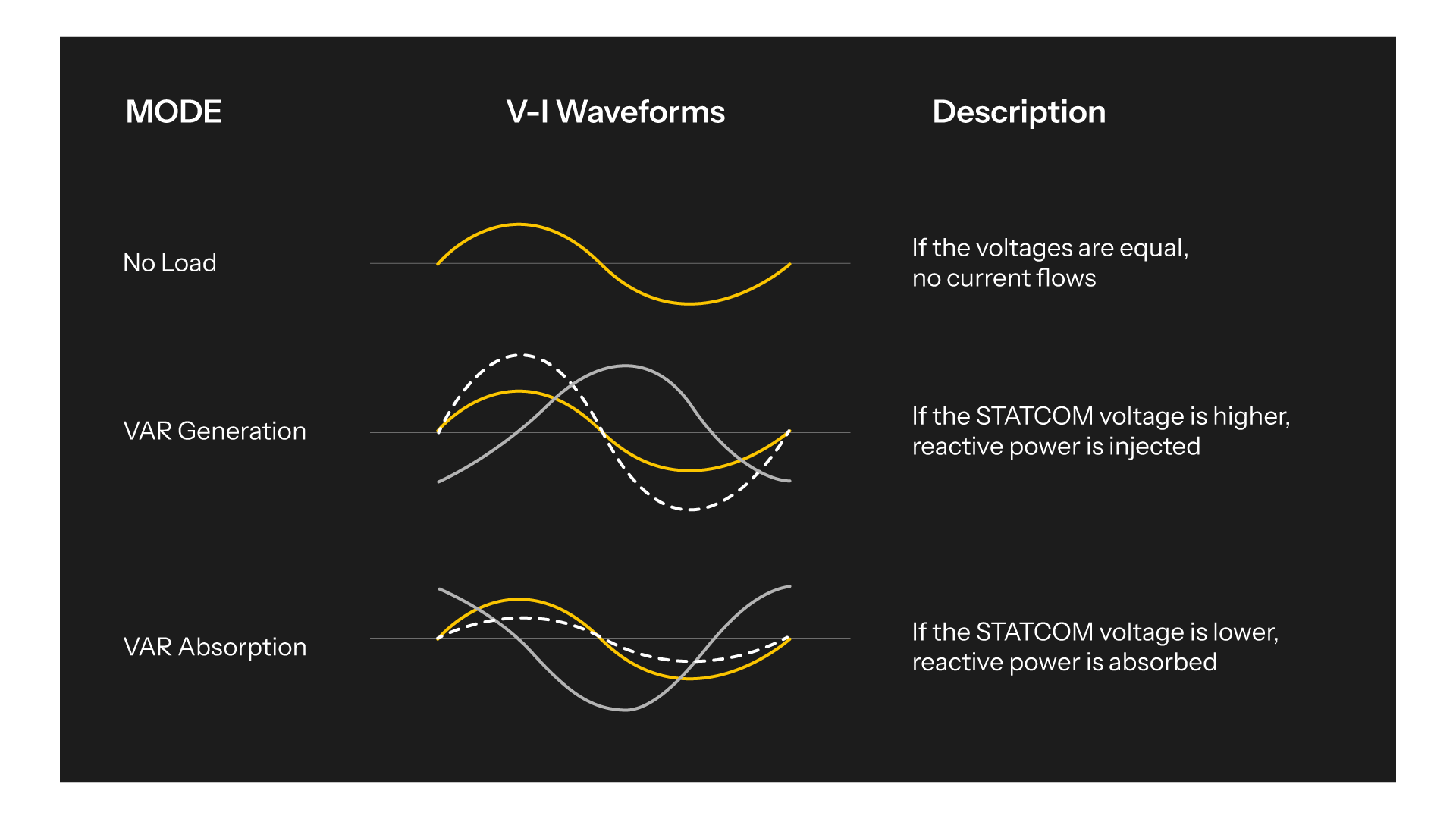
STATCOM (Static Synchronous Compensator) is an advanced reactive power compensation system based on IGBT or IGCT-type power converters, which uses solid-state power electronics technology to inject or absorb reactive power in real time.

Factors that differentiate it from traditional solutions.

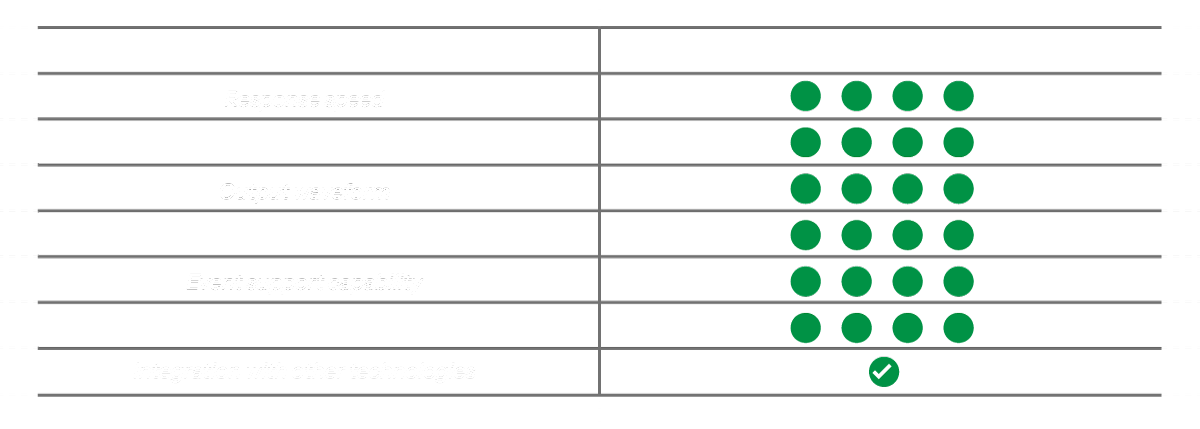
< 3 ms

Response Time

± 2 Mvar - ± 500 Mvar

Capacity Range

IGBT

Core Technology

STATCOM Operating Principles

STATCOM is the most advanced technology for reactive power compensation. The system is connected in parallel, generating a voltage waveform synchronized with the grid. By controlling the magnitude and frequency of the waveform, reactive current can be generated ultra-fast to meet load requirements.

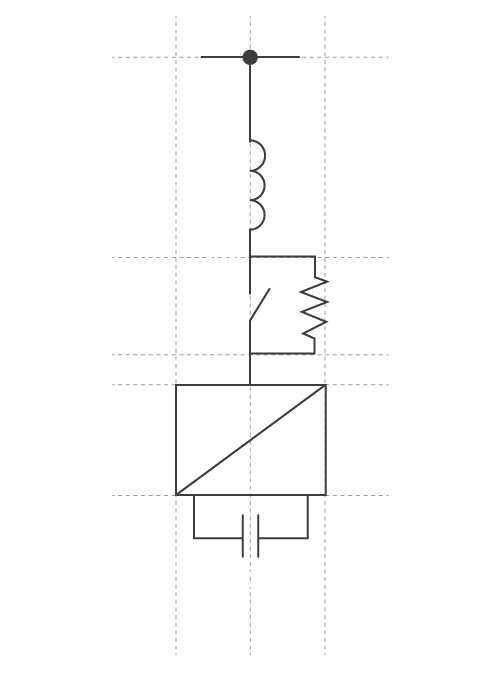
STATCOM Architecture

Primary Equipment

Signals

Peripherals

Controller

Cooling system

Auxiliar facilities

State-of-the-Art in Voltage Control

Each FACTS solution is custom-designed, adapting to the technical and operational requirements of each client. Its configurable architecture allows performance and integration to be optimized according to the specific grid conditions and project objectives.

Static Var Compensator (SVC)

The SVC is a FACTS solution designed for the dynamic compensation of reactive power and voltage stabilization in electrical systems with high load variability. It helps maintain adequate voltage levels during rapid fluctuations, improving power quality and operational reliability

Based on power electronics, the SVC continuously regulates reactive power through precise control of inductive and capacitive elements, responding to system changes within milliseconds. This enables the mitigation of phenomena such as flicker, low power factor, imbalances, and voltage variations. Its implementation in transmission, subtransmission, and industrial networks helps increase transfer capacity, reduce electrical losses, and enhance system stability, optimizing the use of existing infrastructure even under demanding operating conditions.


Technologies to solve
Frequency Stability  and Power Quality

Based on STATCOM technology, the eSTATCOM incorporates supercapacitors that elevate its performance to a new level. In addition to offering the benefits of STATCOM, it also provides:

GRID-MAKER

Grid-Maker

Frecuency control

SAG mitigation

The same precision as STATCOM, now with intelligence and energy storage.

MORE RESILIENT

MORE ROBUST

MORE STABLE

State-of-the-Art in Voltage Control

Each FACTS solution is custom-designed, adapting to the technical and operational requirements of each client. Its configurable architecture allows performance and integration to be optimized according to the specific grid conditions and project objectives.

Technologies to enable
advanced power flow control

Smart Power Flow Optimization

UPFC

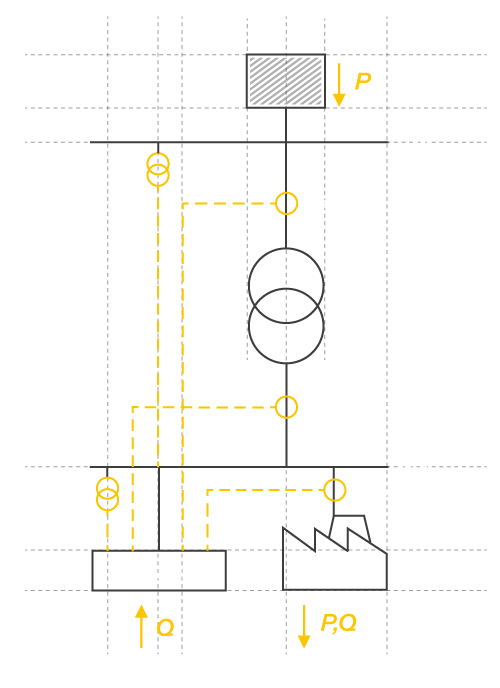
The UPFC is an advanced FACTS solution for power transmission that enables the simultaneous and dynamic control of active and reactive power on high-voltage lines, optimizing power flow and maximizing the use of exisitng infrastructure.

It improves voltage regulation, load sharing among parallel lines, and the system's dynamic stability, with response times in the order of milliseconds.

Based on MMC-type VSC converters, it offers high flexibility and scalability and improves power quality, strengthening weak grids and facilitating the integration of renewable energy sources and battery energy storage systems (BESS).

High Voltage Direct Current (HVDC)

High-voltage direct current (HVDC) transmission is an advanced solution for the smart interconnection of power grids, enabling the efficient, stable, and fully controlled transmission of large amounts of energy.

Based on voltage-source converters with modular multilevel technology (VSC-MMC), HVDC enables fast, precise, and bidirectional control of active power flow, regardless of frequency or phase angle, facilitating the interconnection of asynchronous grids and the reinforcement of weak or congested systems.

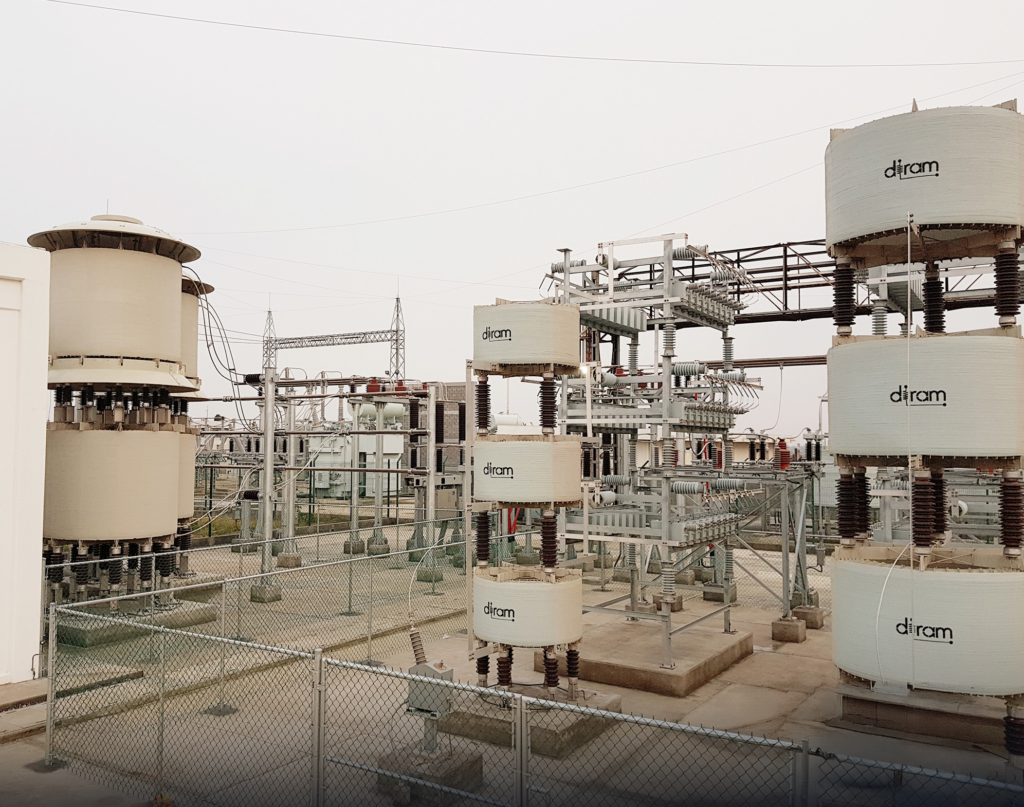
Fixed Series Capacitor (FSC)

The Fixed Series Capacitor (FSC) is a FACTS solution designed to increase transmission capacity and improve the stability of high-voltage power systems without the need to build new transmission lines.

By providing series compensation for line impedance, the FSC reduces voltage drops, increases power transfer, and optimizes the electrical profile on long-distance transmission lines.

High Power Converter (HPC)

The High Power Converter (HPC) is an advanced power conversion solution designed for very high-demand industrial applications, such as electric furnaces and melting processes, where precise, dynamic, and reliable energy control is critical. Conceptually comparable to HVDC systems—which use AC–DC–AC technology for efficient large-scale power transmission—the HPC applies these same principles at the industrial level, adapting them to highly variable and demanding processes.

Based on high-performance power electronics, the HPC enables efficient, stable, and flexible regulation and delivery of large power levels, responding in real time to process conditions. Its optimized architecture facilitates integration with the existing electrical system, providing robust and reliable performance to maximize productivity and energy efficiency in complex industrial environments.

Solutions for smart grids

Why us?

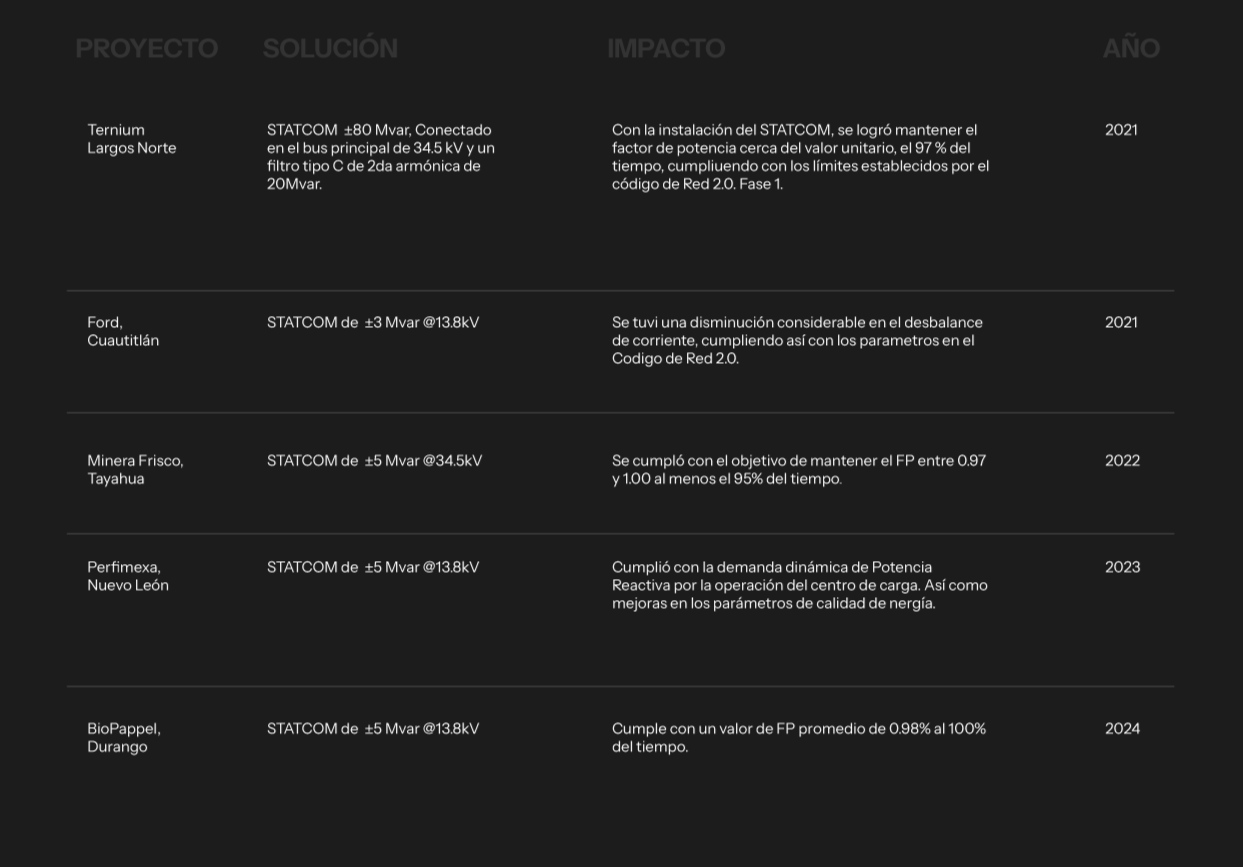
WE HAVE INSTALLED 90% OF THE STATCOM SYSTEMS IN MEXICO

Experience of over 1,500 MVAr across more than 50 projects.